Programme
Participants
Moderators
lisbon literature days (lld)
28. – 30. October 2026
And now? International Congress of the Literary Sector in a Time of Political Upheaval
A broad international exchange among literary festivals, book fairs, publishers, and event organizers on the key issues and challenges facing the sector is essential at a time of political, cultural, and media transformation, and in light of the associated threats to the literary world.
In recent years, new international literary festivals have emerged across all continents, underscoring the importance of literature and making significant contributions to literary outreach and education, including for children and young adults. The first literary festival was held in Cheltenham in 1949; today, there are more than 200 worldwide. The “World Voices” festival in New York, founded in 2005 by Salman Rushdie, cancelled its 2024 edition following protests and boycott calls related to the war in Gaza. Literary festivals in the United Kingdom, including Hay-on-Wye (May 2024) and Edinburgh (August 2024), also came under pressure from activists as well as authors and festival participants, leading them to end their long-standing partnership with sponsor Baillie Gifford, which was criticized, among other things, for allegedly not doing enough to address climate change. Another major issue is artificial intelligence. AI is now producing texts of its own. Can some of these be considered literary? Can AI assist literary writing and translation? Who is using ChatGPT and similar software, and how are these tools changing literary production and reception?
At the same time, social mediain, initially seen as a corrective to top-down communication and an effective grassroots tool for the literary community, has undergone profound changes. Since Elon Musk’s acquisition of Twitter/X and Mark Zuckerberg’s decision to scale back fact-checking on Facebook and Instagram, these platforms have entered a new phase of transformation. The literary sector must engage with these developments, both in terms of content and communication.
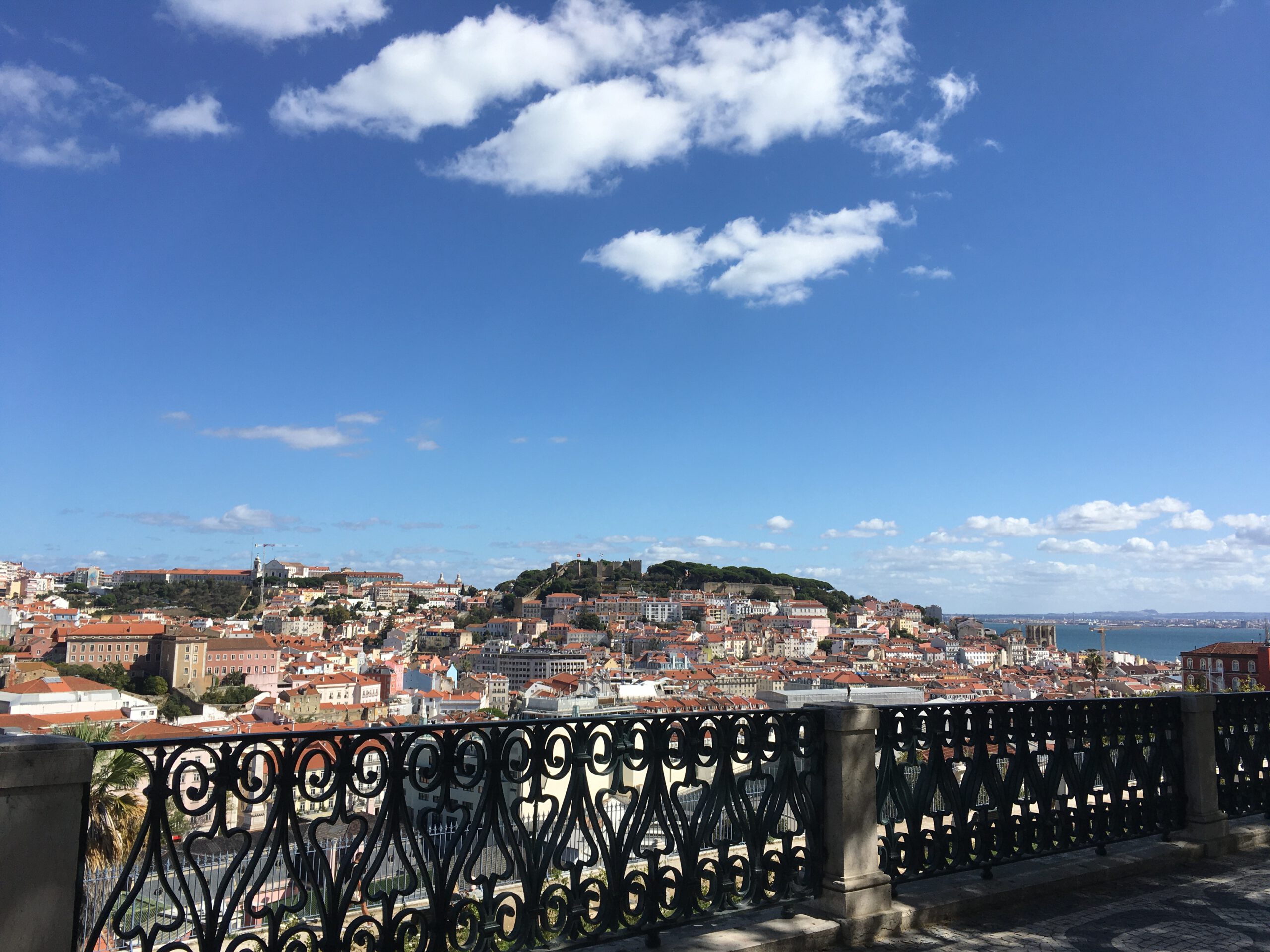
Lisbon is the venue of the congress. Why Lisbon? A congress of this kind could just as easily take place in Marseille, Naples, Montevideo, or virtually anywhere else, even in a more informal setting. Yet Lisbon offers a unique combination of qualities. In recent years, it has become one of Europe’s most attractive capitals – architecturally, culturally, and infrastructurally, while also benefiting from its exceptional location on the Atlantic coast and along the Tagus River. Many artists have chosen to make Lisbon their home. The city is also shaped by young people from around the world who contribute to its dynamic cultural life not merely as visitors, but as residents, creators, and entrepreneurs.
Portugal’s literary landscape has been profoundly influenced by outstanding writers, from Luís Vaz de Camões to Fernando Pessoa, José Saramago, Lídia Jorge, the Italian writer Antonio Tabucchi, Nuno Júdice, and António Lobo Antunes. Their work continues to shape both Portuguese and international literary culture. Lisbon itself has played a central role in fostering literary life through its institutions, theatres, and cultural organizations. Among the most important are the Casa Fernando Pessoa, the José Saramago Foundation, and the Calouste Gulbenkian Foundation, all of which have contributed significantly to the city’s rich literary and intellectual environment.
Alongside the congress, opportunities will be created for dialogue and networking between the Portuguese literary sector and international guests. The dias de literatura lisboa will bring together festival and book fair directors, programmers, curators, and organizers, as well as journalists and photographers who help communicate and promote Lisbon as a literary destination around the world. The event will consist of the congress described above, complemented by readings, presentations, and discussions featuring international and Lusophone authors from all continents.
Partners and Sponsors